The Ultimate Guide to Dog Drooling: Causes, Triggers, and When to Worry
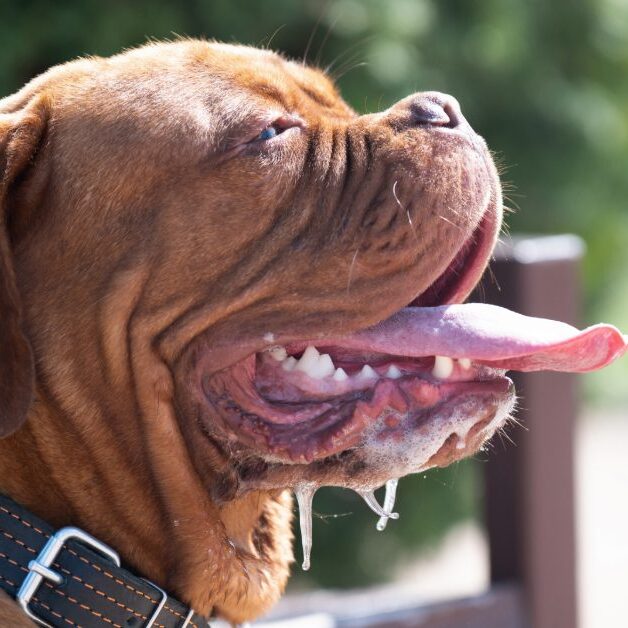
There’s a wet spot on the couch, a string of saliva dangling from your dog’s chin, and you’re starting to wonder if this is normal. Dog drooling, which is the excessive production and spillage of saliva beyond what your dog can swallow, is one of those symptoms that ranges from completely harmless to genuinely alarming, sometimes with very little to distinguish the two at first glance. The trigger might be a steak on the counter, a bout of nausea, a foreign object lodged in the throat, or something going on deeper in the body. At Broadway Veterinary Hospital in Sacramento, CA, we help pet owners understand the difference because knowing what’s driving the drool is the only way to know what to do about it.
Why Do Dogs Drool?
Drooling in dogs, clinically referred to as hypersalivation or ptyalism, is the result of the salivary glands producing more saliva than the dog can swallow or contain. Saliva plays an important role in digestion and oral health, so some drooling is completely normal. The concern arises when the amount of dog drooling increases significantly or when it’s accompanied by other symptoms.
Breeds That Drool More
Some dogs drool excessively simply because of their anatomy. Breeds with heavy jowls, loose lips, or large muzzles tend to be heavy droolers by nature. These include Bloodhounds, Saint Bernards, Mastiffs, Basset Hounds, Newfoundlands, and Bulldogs. If your dog is one of these breeds and has always been a heavy drooler, that’s likely baseline behavior for them, not a cause for alarm.
Common Causes of Excessive Drooling in Dogs
When a dog starts drooling more than normal, there are many possible triggers, ranging from completely benign to urgent.
Anticipation of Food
One of the most common and harmless causes of dog drooling is food anticipation. If your dog starts producing excessive saliva the moment you open the refrigerator or pick up the food bowl, Pavlov’s response is probably at work. This type of drooling stops as soon as the excitement passes.
Nausea and Motion Sickness
Dogs that get car sick often drool heavily before or during vomiting. Nausea from any source including medications, dietary indiscretion, or vestibular disease can trigger excessive drooling in dogs. If your dog drools during car rides, this is a common form of motion-sickness-related hypersalivation and is worth discussing with your vet.
Dental and Oral Disease
Dental disease is a significant driver of excessive dog drooling. Infected teeth, inflamed gums, oral ulcers, broken teeth, or foreign objects caught between teeth can all cause the salivary glands to go into overdrive. If your dog is drooling more than usual and has bad breath, red gums, or appears reluctant to eat, dental disease should be at the top of your list of concerns.
Mouth or Throat Foreign Bodies
If a dog swallows or gets a foreign object lodged in the mouth or throat such as a stick, bone fragment, or piece of toy, sudden and heavy drooling is a common response. This can quickly become an emergency. If your dog is drooling suddenly and excessively and pawing at their mouth, seek veterinary care immediately.
Toxin Exposure or Poisoning
Sudden excessive drooling in dogs is one of the hallmark signs of toxin exposure or poisoning. If your dog has gotten into a household chemical, ate a toxic plant, was stung by an insect, or chewed on a toad, hypersalivation can occur rapidly alongside other symptoms like vomiting, tremors, or weakness. This is always an emergency situation that requires immediate veterinary attention.
Anxiety and Stress
Dogs experiencing significant stress or anxiety during thunderstorms, at the vet, while traveling, or during loud events often drool heavily. This is the body’s stress response and typically resolves once the triggering situation passes. However, if your dog’s anxiety is frequent or severe, it’s worth discussing behavioral support options with your veterinary team.
Neurological Conditions and Seizures
Certain neurological conditions, including seizures, can cause excessive drooling in dogs. During or after a seizure, a dog may drool heavily and appear disoriented. If you observe this in your dog, contact your veterinarian promptly for evaluation.
Systemic Illness
Liver disease, kidney disease, and other metabolic conditions can lead to increased dog drooling as the body reacts to elevated waste products or tissue irritation. Bloat (gastric dilatation-volvulus) is another serious condition that can cause heavy drooling alongside a distended abdomen, retching, and restlessness, this is a life-threatening emergency.
When to Worry About Dog Drooling
Not all dog drooling requires a trip to the vet. But some situations demand prompt attention. Contact Broadway Veterinary Hospital right away if your dog’s excessive drooling is accompanied by:
- Sudden onset of heavy drooling with no obvious trigger
- Pawing at the mouth, choking, or gagging sounds
- Vomiting, diarrhea, or signs of abdominal distress
- Muscle tremors, weakness, or uncoordinated movement
- Pale or white gums
- Bloated or distended abdomen
- Known or suspected toxin exposure
Any of the above symptoms alongside dog drooling could indicate a medical emergency. Don’t wait to see if it resolves on its own.
How Vets Diagnose Excessive Dog Drooling
At Broadway Veterinary Hospital, diagnosing the cause of hypersalivation in dogs starts with a thorough history and physical exam. Our veterinarians will assess:
- Oral cavity: teeth, gums, tongue, and throat for visible disease or foreign objects
- Neurological status: any signs of tremors, abnormal eye movements, or coordination problems
- Abdominal exam: checking for signs of bloat or gastrointestinal distress
- History: what your dog may have eaten, chewed on, or been exposed to
Additional diagnostics may include bloodwork, urinalysis, or imaging depending on what we find during the initial exam.
Knowing Your Dog’s Baseline Is the Best Defense
The best way to know when dog drooling becomes a problem is to know what’s normal for your individual dog. If your Mastiff has always drooled through dinner and car rides, that’s your baseline. If your Labrador suddenly starts drooling heavily for no apparent reason, that’s a change worth investigating. At Broadway Veterinary Hospital in Sacramento, our team is here to help you read the signs and respond appropriately. When something feels off, trust your instincts and give us a call at (916) 446-6154 or use the online form to book an appointment today.
About Us
Broadway Veterinary Hospital provides modern, full-service veterinary care in Sacramento, CA. Our team offers wellness care, diagnostics, surgery, and urgent care access in a thoughtfully designed hospital space.