
Lifelong Benefits with Cat and Dog Spay and Neuter in Sacramento, CA
Spaying or neutering may be common, but it is still surgery, and your pet deserves a Sacramento team that treats the procedure with care, planning, and precision. From anesthesia safety to pain control and recovery guidance, the details matter.
Broadway Veterinary Hospital provides cat and dog spay and neuter services with experienced veterinarians, advanced monitoring, and a thoughtful approach to every patient. We also perform spay and neuter procedures for select pocket pets and rabbits, with recommendations based on species, age, size, health, and individual risk factors.
Book now to schedule a surgical consultation or call (916) 446-6154 to ask our team when your pet should be spayed or neutered.
When Should Pets Be Spayed or Neutered?
The right timing depends on your pet’s species, breed, size, health, and lifestyle. For cats, spay and neuter surgery is often recommended before sexual maturity to reduce unwanted behaviors and prevent accidental litters. For dogs, timing can vary more widely, especially for larger breeds, so our veterinarians will help you weigh growth, orthopedic development, behavior, and long-term health factors.
Rabbits and some pocket pets may also benefit from spay or neuter surgery. In rabbits, spaying can significantly reduce the risk of reproductive disease in females, while neutering can help reduce certain hormone-driven behaviors. For guinea pigs, rats, and other small mammals, recommendations depend on species, sex, health, and the reason for surgery.
During your pet’s visit, we’ll discuss:
-
Age and stage of development
-
Breed and adult size
-
Current health and anesthetic risk
-
Behavior or household concerns
-
Reproductive disease risk
-
Recovery needs based on species
How Spaying and Neutering Can Help Your Pet
Spaying and neutering can provide meaningful health and behavior benefits for many pets. It also helps prevent accidental litters and reduces the number of homeless animals in the community.
Potential benefits may include:
-
Prevention of pregnancy and heat cycles
-
Reduced risk of uterine infections in females
-
Lower risk of mammary tumors when performed at the appropriate time
-
Reduced risk of testicular cancer in males
-
Lower risk of some prostate concerns
-
Fewer hormone-driven behaviors, such as roaming or marking
-
Reduced risk of reproductive disease in certain exotic pets
-
Easier multi-pet household management
These benefits can vary by species, age, and breed, which is why we tailor our recommendations to your pet.
What to Expect After Your Pet’s Spay or Neuter Procedure
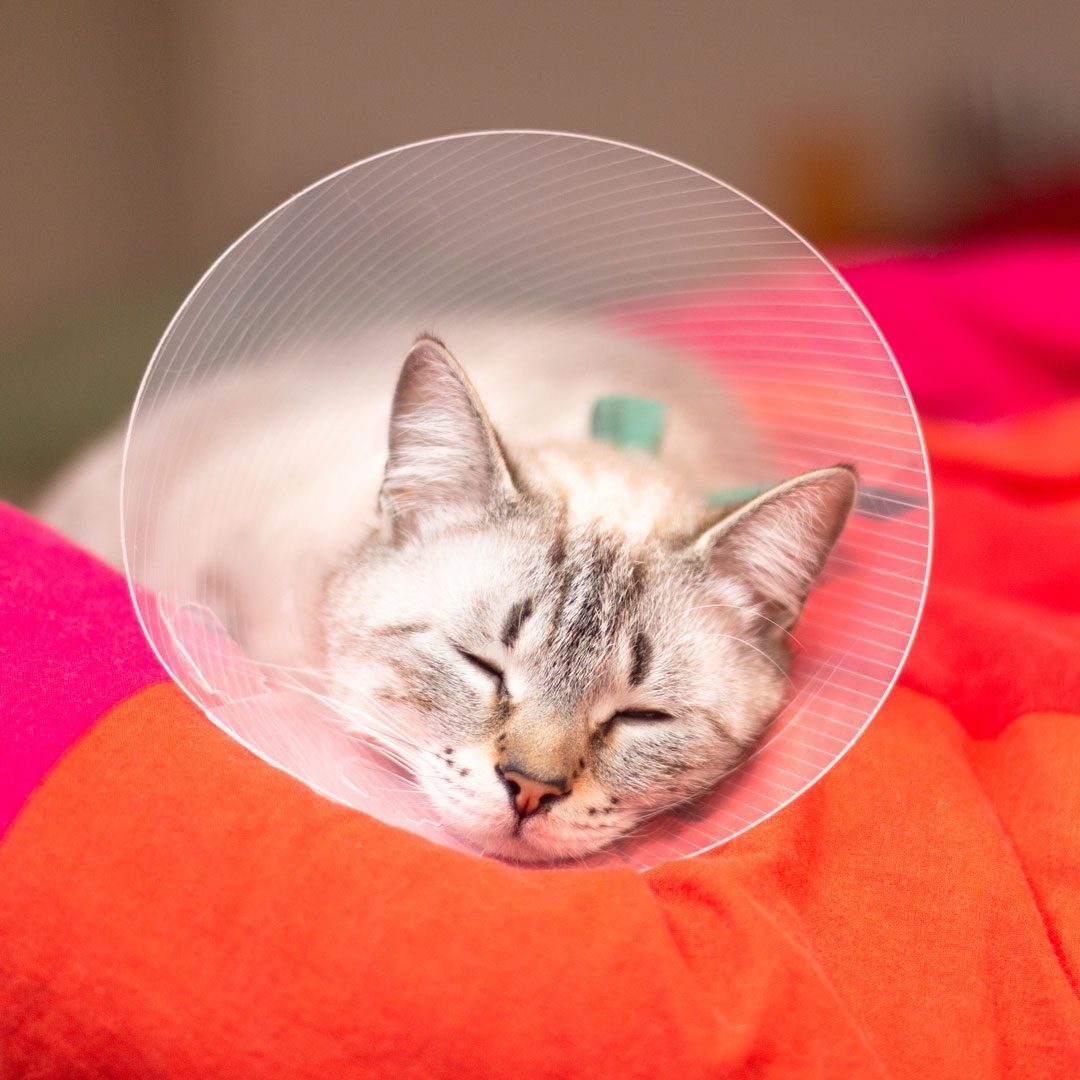
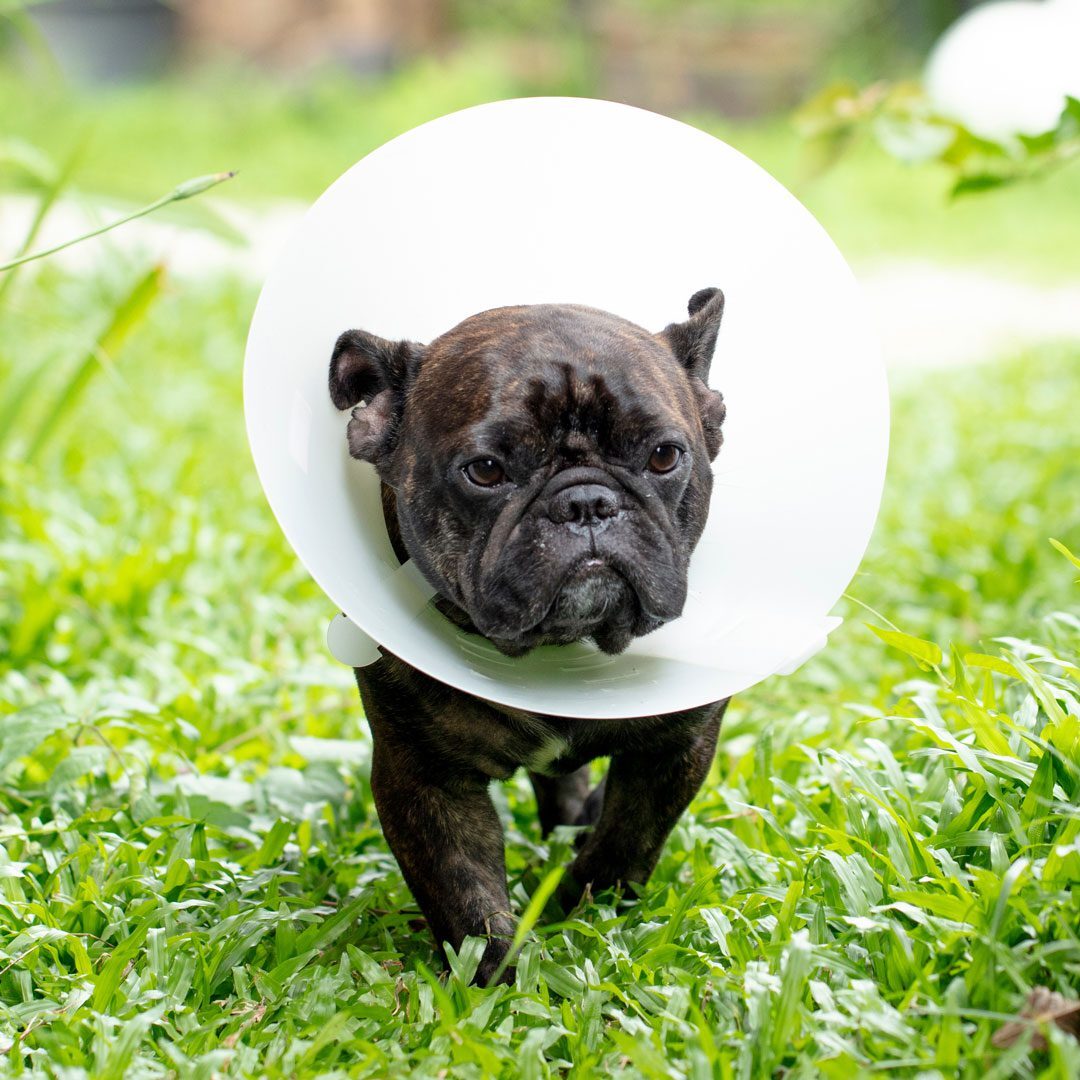
Most pets go home the same day after a spay or neuter procedure. Mild tiredness, reduced appetite, or temporary grogginess can happen after anesthesia, especially during the first evening.
Your pet will need a quiet recovery space, activity restriction, and close incision monitoring while they heal. We’ll review pain medication instructions, feeding recommendations, and signs that should prompt a call to our team.
For rabbits and pocket pets, recovery instructions may look different than they do for dogs and cats. Small mammals need careful monitoring of appetite, stool production, warmth, and activity after surgery, and our team will walk you through what to watch for at home.