Guiding Effective Care with Veterinary Diagnostics in Sacramento, CA
Sometimes the signs are obvious — a limp, vomiting, trouble breathing, or sudden pain. Other times, it’s more subtle: sleeping more, eating differently, losing weight, or simply acting unlike themselves. When your pet isn’t feeling well, waiting and wondering can be one of the hardest parts.
Our Sacramento animal hospital provides veterinary diagnostics with advanced technology and experienced veterinarians who know how to connect symptoms with meaningful answers. In-house diagnostic capabilities allow us to evaluate many conditions quickly, helping you move from uncertainty to a treatment plan without unnecessary delays.
Book now to schedule an evaluation, or contact our team at (916) 446-6154 if your pet is showing signs of a problem.
When Might a Pet Need Diagnostic Testing?
Diagnostic testing helps us look beyond visible symptoms and understand what may be happening internally. In many cases, pets hide illness well, making diagnostics an important part of identifying problems early.
Your pet may benefit from diagnostic testing if they are experiencing:
-
Vomiting or diarrhea
-
Coughing or breathing changes
-
Limping or mobility problems
-
Weight loss or appetite changes
-
Increased thirst or urination
-
Skin problems or chronic ear infections
-
Fatigue or behavior changes
-
Abdominal pain or bloating
-
Difficulty urinating
-
Seizures or neurologic symptoms
Diagnostics are also commonly recommended before surgery, during wellness visits (especially for seniors), and for monitoring chronic conditions over time.
Advanced Diagnostic Tools Under One Roof
Broadway Veterinary Hospital is equipped with advanced diagnostic technology that allows our veterinarians to evaluate many conditions in-house instead of sending patients elsewhere for testing. Combined with our experienced medical team, these tools help us make informed decisions more efficiently and begin treatment sooner when needed.
These benefits can vary by species, age, and breed, which is why we tailor our recommendations to your pet.
Our in-house laboratory allows us to perform many tests quickly, often during the same visit.
Lab testing may include:
- Blood chemistry panels
- Complete blood counts (CBC)
- Thyroid testing
- Urinalysis
- Fecal testing
- Heartworm and infectious disease screening
- Skin and ear cytology
- Fluid and mass evaluation
These tests help evaluate organ function, hydration, infection, inflammation, blood sugar, hormone balance, and overall health.
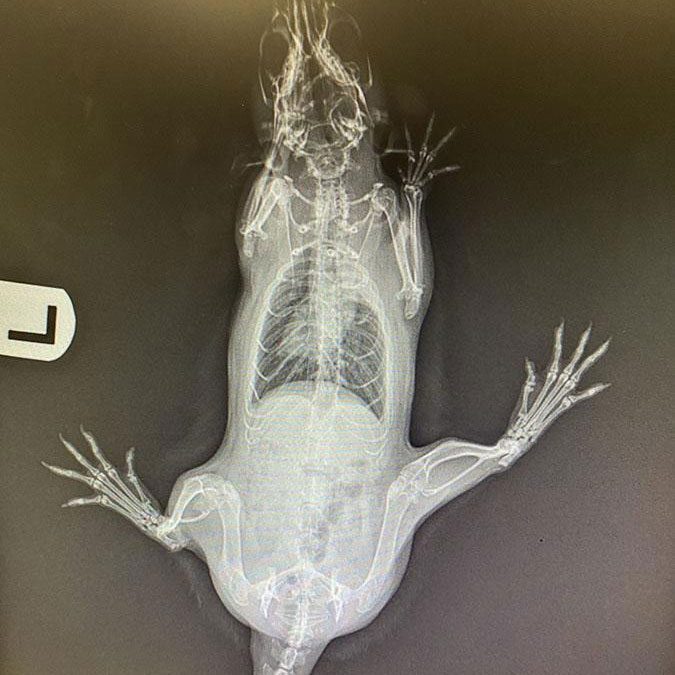
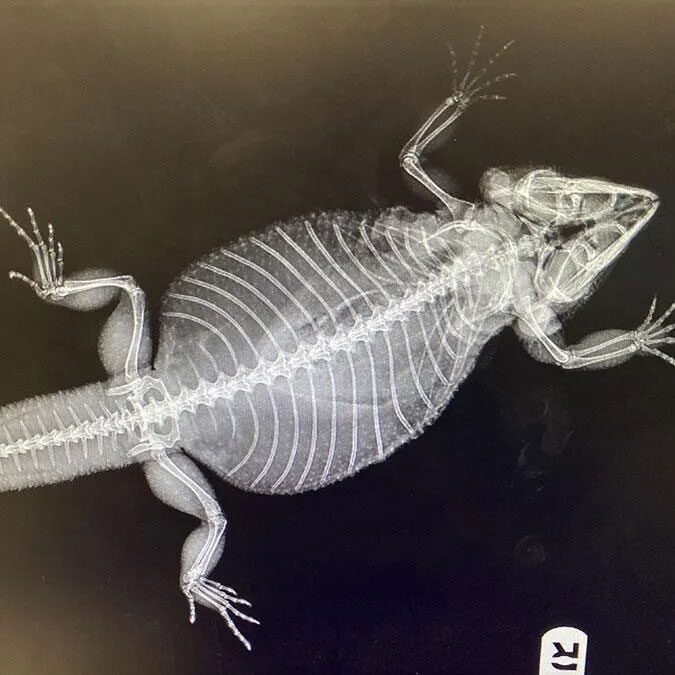
Digital radiographs help us evaluate structures inside the body without surgery or invasive procedures.
X-rays may be used to assess:
- Broken bones and orthopedic injuries
- Arthritis and joint changes
- Heart and lung conditions
- Foreign objects
- Abdominal abnormalities
- Bladder stones
Digital imaging provides clear, detailed images that can be reviewed immediately during your pet’s appointment, with the ability to send images to a specialist if needed for expert interpretation of challenging cases.
Ultrasound allows us to evaluate soft tissues and internal organs in real time.
Ultrasound may help assess:
- Liver, kidney, and bladder conditions
- Gastrointestinal disease
- Fluid buildup
- Masses or tumors
- Pregnancy
- Organ structure and function
Because ultrasound creates live imaging, it can provide additional information that X-rays alone may not show.
What Happens After Diagnostic Testing?
Once testing is complete, our veterinarians will review the results with you, explain what they mean, and discuss the next steps clearly.
Depending on your pet’s condition, your treatment plan may include:
-
Medication
-
Dietary changes
-
Surgery
-
Additional imaging or monitoring
-
Pain management
-
Hospitalization and supportive care
-
Long-term management for chronic disease
-
Referral for advanced specialist care