More Comfortable Years with Senior Cat and Dog Care in Sacramento, CA
Maybe your dog hesitates before jumping into the car now. Maybe your cat sleeps more, eats differently, or seems less interested in routines they used to love. These changes can feel small at first, but they often give us valuable clues about comfort, mobility, organ health, and quality of life.
If you’re looking for senior cat and dog care in Sacramento, CA, Broadway Veterinary Hospital provides thoughtful support for aging pets through wellness exams, diagnostic screening, pain management, nutrition guidance, and ongoing monitoring. Our goal is to help you understand what’s changing, what can be treated, and how to keep your pet comfortable through each stage of aging.
Book now to schedule your senior pet’s wellness visit, or call us at if you have questions about changes you’ve noticed at home.
When Is a Pet Considered Senior?
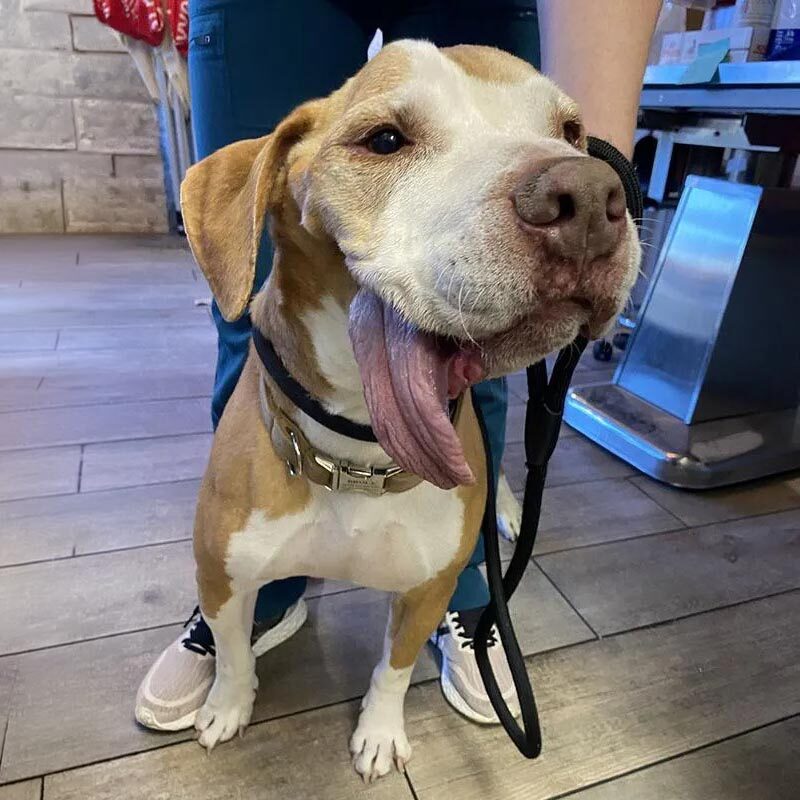
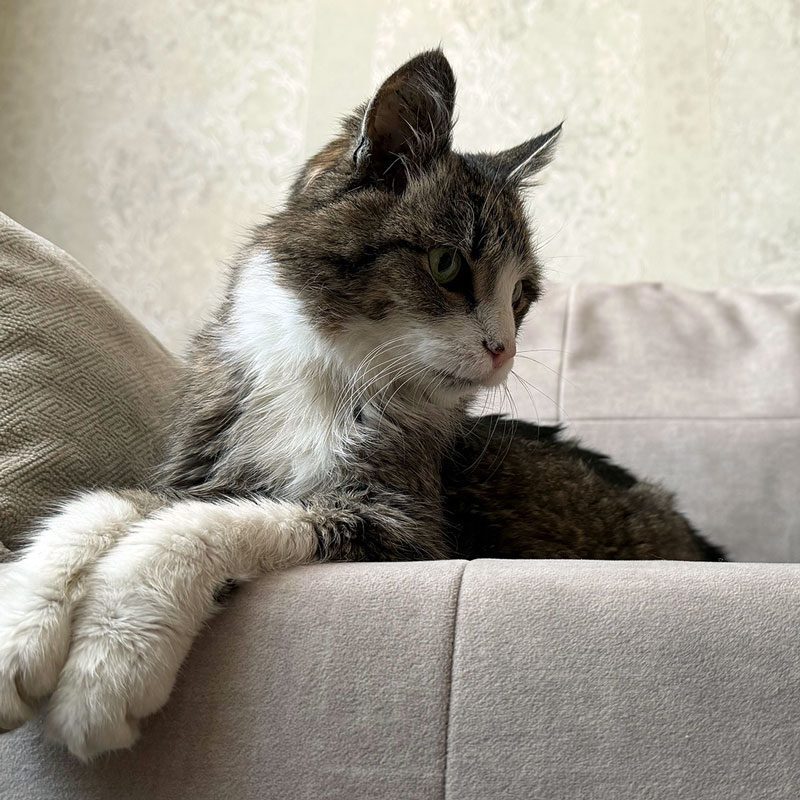
A pet’s senior years depend on species, size, breed, and overall health. Cats are often considered senior around 7 to 10 years old, while dogs may enter their senior stage around 6 to 9 years old depending on breed size, with larger dogs typically aging faster than smaller dogs.
Senior pets benefit from more frequent checkups because health changes can develop quietly. Many older dogs and cats act “normal” at home while early arthritis, dental disease, kidney changes, thyroid imbalance, high blood pressure, or metabolic disease is already beginning. For many senior pets, twice-yearly exams and routine lab screening give us a better way to track trends and step in earlier.
How We Help Senior Pets Thrive in Their Later Years
Senior pet care is about more than checking boxes during an exam. It is about building a plan that supports comfort, movement, appetite, organ health, and emotional well-being over time.
At Broadway Veterinary Hospital, senior wellness care may include thorough physical exams, bloodwork, urinalysis, thyroid testing, blood pressure screening, fecal testing, digital imaging, dental evaluation, and pain assessment. These tools help us monitor internal health and identify changes that may not be visible from the outside.
Pain management is also a major part of senior wellness. If your pet is slowing down, struggling with stairs, sleeping more, or becoming less tolerant of touch, we can evaluate for arthritis, dental pain, and other sources of discomfort. Treatment may include medications, nutritional supplements, weight management, nutrition changes, laser therapy, environmental adjustments, or additional diagnostics when needed.
What to Expect as Your Senior Pet Ages
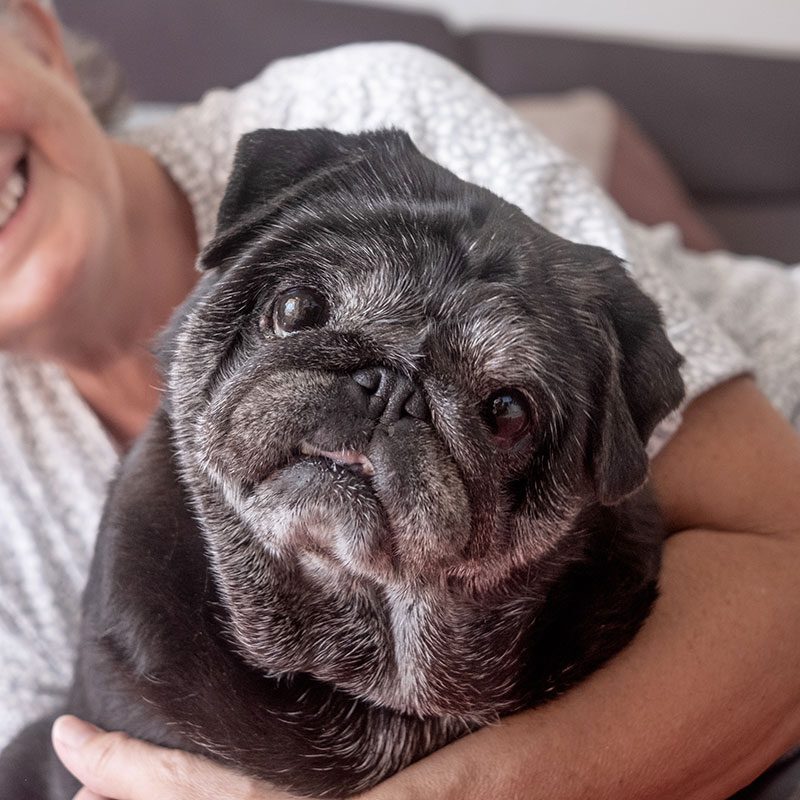
Aging is not a single event. It is a gradual process, and your pet’s needs may shift from year to year.
You may notice changes such as:
-
Less interest in jumping, running, or climbing
-
More sleeping or lower stamina
-
Changes in appetite or thirst
-
Weight gain or weight loss
-
More accidents in the house
-
New anxiety, confusion, or nighttime restlessness
-
Cloudy eyes or hearing changes
-
More frequent dental problems
-
New lumps or changes in existing masses
Some changes are part of aging, but many can be managed with the right care. During each visit, we’ll help you separate normal aging from signs that need medical attention, then walk you through practical next steps.
Our Sacramento veterinarians provide personalized senior pet care designed around your pet’s comfort and your goals. Call us at to schedule your senior pet’s wellness visit and help them enjoy more good days.