Why Does My Dog’s Breath Smell So Bad? Common Causes and Cures
Your dog leans in for a cuddle, and you instinctively pull back because the smell coming from their mouth is something between old garbage and a gym locker. Bad breath in dogs is rarely just “dog breath.” It’s almost always a symptom of something happening in the mouth, the gut, or even the organs, and the source matters more than the smell. At Broadway Veterinary Hospital in Sacramento, CA, our team diagnoses and treats halitosis in dogs regularly, and we’ve learned that the odor is never the whole story. Below, we’ll discuss what your dog’s breath might actually be telling you, and why it’s worth paying attention.
What Causes Bad Breath in Dogs?
Dog bad breath, also called halitosis in dogs, almost always has an underlying cause. While it’s easy to assume your dog just needs a dental cleaning, the root of the problem can range from something simple to something that warrants prompt veterinary attention.
Dental Disease Is the Most Common Culprit
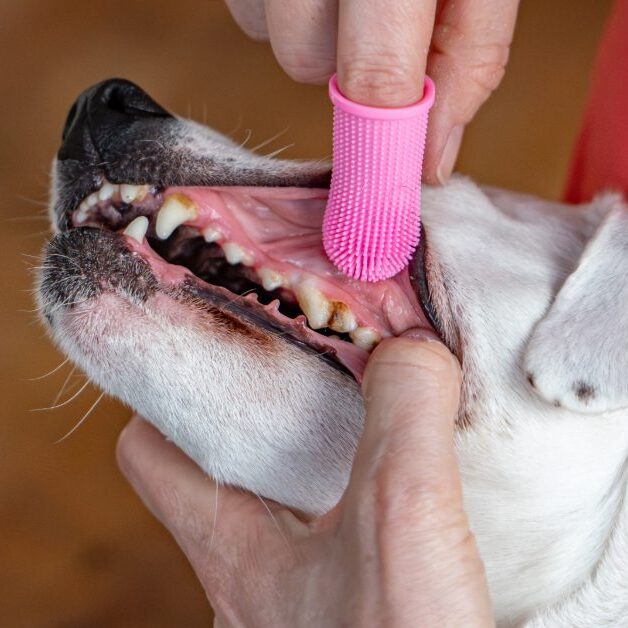
The number one reason dogs have bad breath is periodontal disease. When plaque builds up on your dog’s teeth, it hardens into tartar, which harbors odor-producing bacteria beneath the gumline. According to the American Veterinary Dental College, most dogs show signs of dental disease by age three. If your dog’s breath smells like something died, dental disease is likely the reason why.
Signs of dental disease alongside dog bad breath include:
- Yellow or brown tartar on the teeth
- Red, swollen, or bleeding gums
- Difficulty chewing or dropping food
- Pawing at the mouth
- Loose or missing teeth
Diet and What Your Dog Eats
What goes in often comes back out in the form of breath. Dogs that eat certain types of food, get into the garbage, or have a habit of eating things they shouldn’t (grass, feces, dead animals) can develop temporary but very unpleasant breath. If your dog’s bad breath appears suddenly after a dietary adventure, that may be all that’s going on.
Systemic Health Conditions
Sometimes, the cause of bad dog breath isn’t in the mouth at all. Certain health conditions produce very distinctive odors:
- Kidney disease: A urine-like or ammonia smell on your dog’s breath can signal that the kidneys aren’t filtering waste properly.
- Diabetes: A sweet, fruity, or acetone-like smell may indicate diabetic ketoacidosis, which is a serious condition.
- Liver disease: A musty or unusually foul odor can be linked to liver dysfunction.
- Respiratory infections: Infections in the nasal passages, sinuses, or lungs can produce foul-smelling breath.
These are all reasons why halitosis in dogs should never be dismissed as “just dog breath.”
How Do Vets Diagnose the Source of Dog Bad Breath?
When you bring your dog to Broadway Veterinary Hospital for a bad dog breath concern, we don’t just glance in the mouth and call it a day. Our veterinarians perform a thorough physical examination, which typically includes:
- Oral examination under good lighting to assess teeth, gums, and soft tissue
- Discussion of your dog’s diet, habits, and the onset of the odor
- Bloodwork and urinalysis if systemic disease is suspected
- Dental X-rays when indicated, to identify disease below the gumline
This approach helps us identify not just the smell, but the cause and that’s what makes treatment effective.
When Should You Take Your Dog to the Vet for Bad Breath?
Many pet owners wonder: is bad dog breath serious enough to bring up at an appointment? The short answer is yes, especially if the breath is persistent, has changed recently, or is accompanied by other symptoms.
Schedule a visit to Broadway Veterinary Hospital if your dog’s bad breath comes with any of the following:
- Sudden or significant change in breath odor
- Visible dental disease, loose teeth, or bleeding gums
- Changes in eating, drinking, or urination habits
- Weight loss, lethargy, or vomiting
- Breath that smells sweet, fruity, or like ammonia
These symptoms alongside dog bad breath can indicate something more serious that needs to be addressed quickly.
Treating Bad Breath in Dogs: What to Expect
Treatment for halitosis in dogs depends entirely on the cause. There’s no single cure for dog bad breath, which is why an accurate diagnosis matters so much.
Professional Dental Cleanings
If dental disease is driving the bad breath, a professional dental cleaning at Broadway Veterinary Hospital under anesthesia is typically the most effective solution. At Broadway Veterinary Hospital, our veterinary team performs comprehensive oral health assessments and cleanings that remove tartar from above and below the gumline, identify diseased teeth, and assess gum health. This is very different from an anesthesia-free dental cleaning, which cannot safely or effectively address subgingival disease.
Treatment for Underlying Conditions
When bad dog breath is linked to kidney disease, diabetes, or liver disease, treating the underlying condition is the path forward. Your veterinarian will create a management plan tailored to your dog’s diagnosis. In these cases, addressing the smell requires addressing the disease itself.
Ongoing Dental Maintenance at Home
Once the source of bad breath has been treated, your vet team will help you establish a home dental care routine to slow the progression of plaque. This may include toothbrushing with dog-safe toothpaste, dental chews approved by the Veterinary Oral Health Council (VOHC), and water additives. Ask our team at Broadway Veterinary Hospital what products we recommend for your specific dog.
Can You Prevent Bad Breath in Dogs?
While you can’t guarantee your dog will always have fresh breath, consistent preventive care makes a real difference. Annual wellness exams allow your veterinarian to catch early dental disease before it progresses into a major source of dog bad breath. Regular professional cleanings, combined with at-home care, reduce the bacterial load in the mouth and keep periodontal disease in check.
The most important thing to remember: bad breath in dogs is a symptom, not a personality trait. If your dog’s breath is causing you to keep your distance, that’s a signal worth acting on.
Fresh Breath Starts With a Healthy Mouth and a Vet You Trust
At Broadway Veterinary Hospital in Sacramento, we believe every dog deserves a healthy mouth and every pet owner deserves straight answers. Bad breath in dogs is treatable, but it takes a proper diagnosis to address it the right way. If your dog’s breath has been bothering you, call (916) 446-6154 or use the online form to book an appointment, and let’s figure out what’s really going on.
About Us
Broadway Veterinary Hospital provides modern, full-service veterinary care in Sacramento, CA. Our team offers wellness care, diagnostics, surgery, and urgent care access in a thoughtfully designed hospital space.