Need care after hours? We’re here for you! Urgent Care now available Mondays & Fridays from 5PM – 9PM.
Wing clipping protects your bird from household hazards like flying into ceiling fans, hot stovetops, or windows. This nonpainful procedure limits flight ability safely.
Professional wing clipping ensures proper feathers are removed without skin irritation. Inexperienced wing clipping risks cutting blood feathers, which can be life-threatening. We perform this procedure safely while preserving your bird’s aesthetic appearance.
Call us to discuss this option or schedule an appointment.
Timing is everything in successful breeding. Trust Sacramento's experienced veterinary team to provide precise reproductive guidance for your valuable breeding program.
Wing clipping is a procedure where specific flight feathers are trimmed to limit a bird’s ability to achieve sustained flight. When performed correctly, the bird can still glide safely to the floor, not free fall or crash, preventing injuries while maintaining some mobility. This simple procedure could save your bird’s life by preventing accidents common in household environments.
Avian veterinarians regularly see accidental trauma in pet birds, e.g., hit by ceiling fans, flying into hot pots on stoves, or escaping through open doors. Pet birds, especially those left unsupervised, can encounter many dangers in the house that wing clipping helps prevent. The procedure removes the bird’s ability to gain height while allowing controlled descent.
The Association of Avian Veterinarians has produced guidance on proper wing clipping techniques. Their recommended wing trim handout emphasizes that both wings should be clipped simultaneously because clipping only one wing can cause the bird to fly in circles, potentially injuring themselves. Proper technique is essential to avoid breaking a bird’s delicate wing bones or causing other injuries.
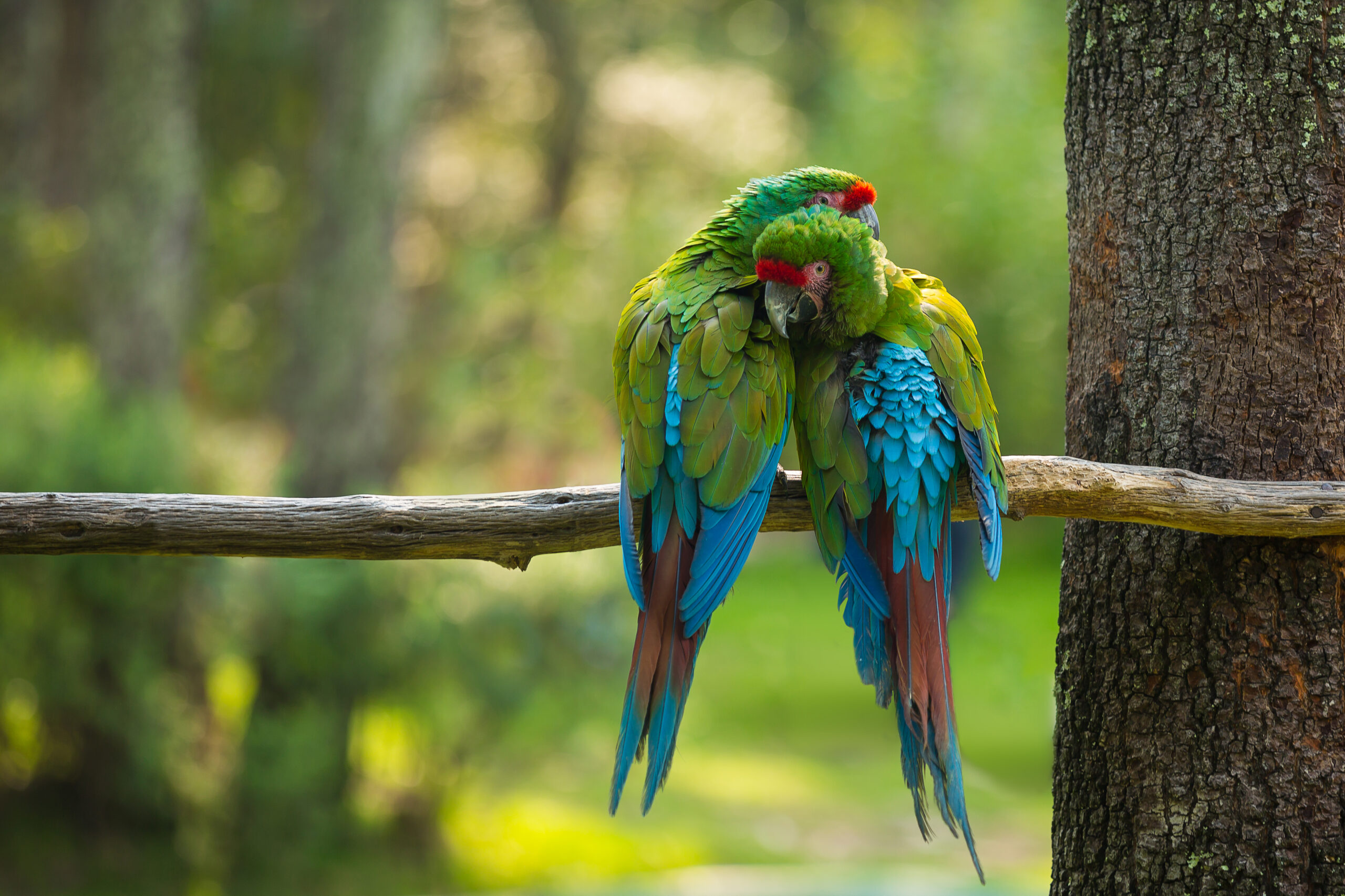
During a wing trim, the primary feathers—the long flight feathers on the outer portion of each wing—are the ones typically trimmed. These feathers provide the lift necessary for sustained flight. By trimming them, we limit the bird’s ability to achieve or sustain upward flight, preventing escape, unwanted roaming, and exposure to household hazards.
Ideally, the outermost primary feathers are trimmed while some inner primaries are left intact to maintain the wing’s natural appearance. The number of feathers removed depends on the bird’s size, weight, and species. Generally, trimming fewer feathers works for heavier birds, while lighter species may require more feathers to be trimmed.
Secondary feathers, located closer to the bird’s body, are typically not trimmed during standard wing clipping. These feathers help with balance and should remain untouched. Only the primary feathers that provide lift for flight need to be addressed during the procedure.
It’s crucial to avoid cutting blood feathers—new feathers that are still growing and contain an active blood supply. Newly growing pin feathers with visible blood vessels should never be cut, as blood feathers will bleed profusely if damaged. This is why professional wing clipping by experienced avian veterinarians is so important.
Flighted birds face numerous dangers in typical home environments. Flying into ceiling fans is one of the most common and serious risks. Ceiling fans can cause fatal injuries to birds who fly into the spinning blades. Even when turned off, fans, windows, and mirrors present hazards as birds may not perceive them as solid barriers.
Kitchen hazards pose significant threats to flighted birds. Containers of hot liquids, stovetops, and open pots of hot spaghetti or other foods can cause severe burns. A bird flying into a hot pot or landing on an active burner can sustain life-threatening injuries that could have been prevented with proper wing clipping.
Escape through open doors and windows is another serious concern. Flighted birds can quickly fly out through a briefly opened doorway, flying into the outdoors where they face predators, traffic, extreme weather, and inability to find their way home. Wing clipping preventing escape keeps your bird safely contained within your home.
Additional household dangers include getting feet or legs slammed in closing doors, flying into walls or furniture, and encountering toxic plants or substances. Pet birds left unsupervised can encounter these hazards when they have full flight capability. A clipped bird remains safer because their mobility is controlled.
My dog Aurora had mouth cancer. I found out and had such little time to schedule her surgery because it was so aggressive. I was referred to Dr. Sam by a friend. I live in Santa Barbara and made the trip up to Sacramento. I am still impressed how well everything went! She had to have almost half of her jaw removed. She is cancer free and looking amazing! Back to her puppy self. First picture is only 2 months after surgery! 2nd and 3rd are the day of. Dr. Sam saved my baby
- Hannah N.This Clinic would not hesitate to go beyond to help your pet. Our boy’s doctor Tyler is an amazing doctor and we are blessed to have him. Diamond was very ill needed emergency treatment /surgery and he received excellent care. We are so thankful for all the doctors surgeons did for our baby.
- Yliana T.Dr. Sam and the team went above and beyond to ensure my pet's safety and recovery. Highly recommended!
- Lisa P.I drove 95 miles to have Dr. Sam at Broadway Vet perform surgery on my kitten. The hospitality and professionalism demonstrated by the entire staff was second to none and I will be a return customer for all my future veterinary needs! My kitty bounced back so quickly because Dr. Sam is an expert in his field and knew just what needed to be done. Highly recommend Broadway Veterinary Hospital! Thanks, Dr. Sam!
- Madison G.Professional wing clipping requires understanding avian anatomy and proper handling techniques. When attempting to trim wings without expertise, bird owners risk cutting blood feathers, which contain active blood supply and will bleed profusely if severed. This can become a medical emergency requiring immediate veterinary intervention.
Both wings must be clipped simultaneously to maintain balance. If only one wing is trimmed, the bird will fly in circles and may crash into walls or furniture, potentially breaking a bird’s delicate wing bones. Symmetrical trimming ensures the bird descends in a controlled glide rather than spinning unpredictably.
The cut should be made cleanly across the feather shaft without pulling or tearing, which can irritate the skin and cause the bird to pluck their feathers. Sharp scissors designed for wing clipping should be used, and the entire feather shaft should be cut at the appropriate length—not too short to expose sensitive tissue, but short enough to limit flight.
New feathers will grow back over time, typically within a few months depending on the species and molting cycle. As feathers growing back emerge, they initially appear as pin feathers filled with blood supply. These newly growing pin feathers should never be cut. Regular monitoring ensures wing clipping is refreshed only when mature feathers have fully developed.
Many bird owners wonder “is wing clipping cruel?” When performed properly, wing clipping is not painful and does not harm the bird. The feathers themselves contain no nerve endings, so trimming them is similar to cutting hair or nails. However, improper technique can cause pain and injury, which is why professional care is essential.
Some people ask whether they can clip their bird’s wings themselves at home. While it’s technically possible for experienced individuals, we strongly recommend professional wing clipping by avian veterinarians familiar with proper technique. The risks of cutting blood feathers, trimming asymmetrically, or causing the bird to pluck their feathers make DIY attempts inadvisable.
There are varying opinions about wing clipping within the avian community. Some owners prefer flighted birds for exercise and natural behavior, while others prioritize safety through wing clipping. We’re happy to discuss wing clipping and trimming options with you, considering your bird’s species, your home environment, and your personal preferences.
The frequency of wing clipping depends on how quickly your bird’s feathers grow back. Most birds require re-clipping every few months. During regular wellness examinations, we’ll check whether your bird’s wings need attention and can perform the procedure if necessary.
Your pet’s health is our expertise, which is why local news outlets like Fox40 News and Good Day Sacramento regularly invite Dr. Sam Varon to share essential pet care information, from emerging health concerns to answering everyday pet questions. When you choose Broadway Veterinary Hospital, you’re choosing care backed by expertise that Sacramento trusts.
Pet birds also require attention to nail care alongside beak maintenance. Like beaks, nails grow continuously and may become overgrown due to decreased wear in captive environments. Overgrown nails can become trapped on toys, clothing, or cage bars, potentially causing injury or distress.
Nail care in birds requires similar caution to beak maintenance. Bird’s nails contain a blood vessel (quick) that extends into the nail. Cutting too close causes bleeding and pain. Professional nail trimming ensures appropriate length without injury. Having a clotting agent or styptic powder available is essential when trimming nails, though professional care minimizes this risk.
Some bird owners eventually learn to trim their bird’s nails at home safely, but this takes good judgment, patience, and practice to develop the necessary skills. Learning to trim nails properly requires instruction from experienced professionals. Even experienced handlers should never attempt beak trims without professional training, as the complexity differs significantly.
Many owners ask “can I trim my bird’s nails myself?” While nail maintenance at home is possible with training, trimming your bird’s nails at home should only be attempted after receiving proper instruction. The beak and nail care requirements differ, with beak maintenance always requiring professional expertise.
Routine filing or trimming of your bird’s beak and nails keeps your bird comfortable and prevents complications. Establishing a preventive care schedule with our avian veterinarian ensures these needs are addressed appropriately throughout your bird’s life.
At Broadway Veterinary Hospital, our experienced team provides professional wing clipping services for pet birds throughout Sacramento. We understand that every bird is unique, and we tailor our approach to your bird’s species, size, personality, and your specific concerns about safety and behavior.
We take time to discuss wing clipping with you, explaining the procedure, addressing your questions, and ensuring you’re comfortable with the decision. Our gentle handling techniques minimize stress for your bird, and our expertise ensures the procedure is performed correctly the first time.
Whether you have small birds like budgies and cockatiels or larger parrots, we have experience with all species and understand their specific needs. We can help you weigh the benefits of wing clipping against keeping your bird fully flighted, considering your home environment and lifestyle.
Ready to schedule wing clipping for your bird? Contact Broadway Veterinary Hospital at 916-957-1129 to set up an appointment. We’re here to help keep your feathered family member safe and healthy.
Don’t wait any longer to forge a lifelong relationship with your friendly veterinarian.
No, properly performed wing clipping is not painful for birds. The feathers themselves contain no nerve endings, so trimming them is similar to cutting hair. However, cutting blood feathers—new feathers still growing with active blood supply—is extremely painful and dangerous. This is why professional wing clipping by avian veterinarians is crucial. We carefully identify and avoid blood feathers during the procedure, ensuring your bird’s safety and comfort throughout the process.
Wing clipping typically lasts 2-4 months before flight feathers grow back enough to restore flight capability. The exact timing depends on your bird’s species, age, health, and natural molting cycle. As new feathers emerge, they initially appear as pin feathers containing blood supply that should not be cut. Once mature feathers have fully developed, wing clipping can be repeated. During regular wellness exams, we’ll check whether your bird’s wings need re-trimming.
While some experienced bird owners learn to trim wings at home, we strongly recommend professional wing clipping for safety reasons. Attempting to trim wings without proper training risks cutting blood feathers, which will bleed profusely and can become life-threatening. Improper technique may also result in asymmetrical trimming that causes your bird to crash rather than glide safely. Avian veterinarians have the expertise to perform wing clipping safely while avoiding these serious complications.
Wing clipping protects birds from numerous household hazards. It prevents injuries from flying into ceiling fans, landing on hot stovetops, or flying into windows and mirrors. A clipped bird cannot escape through open doors or windows, avoiding exposure to predators, traffic, and weather. Wing clipping also prevents unwanted roaming to dangerous areas of your home. This simple procedure could save your bird’s life by eliminating the most common causes of accidental trauma that avian veterinarians regularly see in pet birds.
Both wings should always be clipped simultaneously during wing clipping. Trimming only one wing causes asymmetrical flight where the bird flies in uncontrolled circles and may crash into walls or furniture, potentially breaking a bird’s delicate wing bones. Symmetrical wing clipping on both sides ensures your bird descends in a controlled glide to the floor, not a dangerous free fall or crash. Professional avian veterinarians always clip both wings evenly to maintain balance and safety.