Need care after hours? We’re here for you! Urgent Care now available Mondays & Fridays from 5PM – 9PM.
We can reliably tell you your bird’s gender by performing a laparoscopy.
This technique involves making a minor incision and then visually examining the bird’s internal sex organs while the bird is anesthetized using a small camera.
Our dedicated team is here to provide expert neutering care for your pet—because they're family and deserve the safest procedure to ensure their health and happiness for years to come!
Many pet bird species owned by families look phenotypically externally identical regardless of whether they’re male or female. Unlike mammals where physical differences are often obvious, most species of birds show no external characteristics that reveal their sex. This makes determining your bird’s gender through simple observation nearly impossible for most birds.
The majority of bird species have internal reproductive organs, meaning their gonads – ovaries or testicles – are located internally in the body cavity. In most species, these normal gonads are quite small, which precludes easy identification without specialized techniques. The anatomical arrangement where the gonads sit near the kidneys along the backbone makes visual assessment even more challenging.

DNA bird sexing has revolutionized how we determine the bird’s gender with scientific precision. DNA sexing in psittacine birds was first pioneered by Joy Halverson, DVM, who developed this groundbreaking technique. Today, many laboratories now offer DNA sexing services that have been refined, improved, and scientifically verified to achieve exceptional accuracy.
The process involves collecting a blood sample from your bird—typically just a few drops of blood obtained via the toenail or feather follicle. This sample is then sent in a special kit to laboratories like Halverson’s Laboratory Zoogen Inc in Davis, California, where technicians perform DNA analysis to determine sexual gender. The Bird Clinic only uses Zoogen, ensuring the highest standards of experience and data verification compared to other providers.
DNA sexing works by identifying sex chromosomes present in the bird’s cells. Through polymerase chain reaction (PCR) technology, scientists amplify specific genetic markers. When analyzed on an agarose gel, male birds show two bands while female birds display only one band. This method offers a level of 99.99% accuracy, making it the gold standard for bird sexing solutions.
Laparoscopy remains another reliable option for determining the gender of your bird. This surgical approach involves anesthetizing the bird, making a small incision, and using specialized equipment for direct examination of the gonads. The performing of the technique requires an experienced avian veterinarian who can properly interpretation of the visual findings.
During laparoscopy, the veterinarian can directly observe the reproductive organs’ size, shape, and color. In males, the testicles are located internally and appear as bean-shaped structures. Females have ovaries that look different in structure. This direct visualization eliminates much of the potential for human error that comes with other methods.
However, laparoscopy does require anesthetizing the bird, which carries inherent risks, especially for smaller species of birds. The procedure also involves a charge or preparation fee beyond the basic call charge. Despite these considerations, laparoscopy provides immediate results and allows the veterinarian to assess overall reproductive health simultaneously.
My dog Aurora had mouth cancer. I found out and had such little time to schedule her surgery because it was so aggressive. I was referred to Dr. Sam by a friend. I live in Santa Barbara and made the trip up to Sacramento. I am still impressed how well everything went! She had to have almost half of her jaw removed. She is cancer free and looking amazing! Back to her puppy self. First picture is only 2 months after surgery! 2nd and 3rd are the day of. Dr. Sam saved my baby
- Hannah N.This Clinic would not hesitate to go beyond to help your pet. Our boy’s doctor Tyler is an amazing doctor and we are blessed to have him. Diamond was very ill needed emergency treatment /surgery and he received excellent care. We are so thankful for all the doctors surgeons did for our baby.
- Yliana T.Dr. Sam and the team went above and beyond to ensure my pet's safety and recovery. Highly recommended!
- Lisa P.I drove 95 miles to have Dr. Sam at Broadway Vet perform surgery on my kitten. The hospitality and professionalism demonstrated by the entire staff was second to none and I will be a return customer for all my future veterinary needs! My kitty bounced back so quickly because Dr. Sam is an expert in his field and knew just what needed to be done. Highly recommend Broadway Veterinary Hospital! Thanks, Dr. Sam!
- Madison G.Knowing your bird’s gender is essential for several practical reasons. Breeding programs require accurate sexing to pair birds appropriately. Female birds may develop reproductive complications like egg binding, which requires different preventive care than males need. Understanding your bird’s sex helps tailor nutrition, housing, and medical care to their specific needs.
Behavioral differences between male and female birds can be significant in certain species. Males may be more vocal or territorial, while females might show nesting behaviors. Knowing your bird’s gender in advance helps you prepare for these natural behaviors and provide appropriate environmental enrichment.
For owners of multiple birds, sexing becomes crucial to prevent unwanted breeding or same-sex aggression. Some bird species become aggressive toward birds of the same sex once they reach maturity. Accurate sexing allows you to make informed decisions about housing arrangements and social groupings.
When you choose blood DNA sexing, the process begins with a simple blood collection. Your veterinarian will obtain a small blood sample—usually just a few drops of blood—obtained via the toenail clip. This method is quick, minimally invasive, and well-tolerated by most birds.
The blood sample is then placed in a special kit provided by the testing laboratory. Our clinic offers this service through trusted partners who specialize in avian genetics. The sample is carefully packaged and shipped to facilities like Halverson’s Laboratory Zoogen Inc in Davis, California, where expert technicians perform the analysis to determine sexual characteristics.
Results typically return within a few days to a week, accompanied by a written certificate of verification. This documentation provides official confirmation of your bird’s gender that you can use for breeding records, registration purposes, or simply for your own information. The accuracy and reliability of DNA analysis make this method preferred by many avian veterinarians and bird owners.
Your pet’s health is our expertise, which is why local news outlets like Fox40 News and Good Day Sacramento regularly invite Dr. Sam Varon to share essential pet care information, from emerging health concerns to answering everyday pet questions. When you choose Broadway Veterinary Hospital, you’re choosing care backed by expertise that Sacramento trusts.
At Broadway Veterinary Hospital in Sacramento, we understand the importance of accurate bird sexing for our avian patients. Our experienced veterinary team offers both DNA sexing services and laparoscopy options to determine the bird’s gender reliably. We work with reputable laboratories that have extensive experience and data verification protocols.
When you bring your bird in for sexing, we’ll discuss which method best suits your bird’s species, age, health status, and your specific needs. For most birds, we recommend DNA sexing due to its accuracy, safety, and convenience. However, we’re fully equipped to perform laparoscopy when circumstances warrant this approach.
Our clinic prioritizes your bird’s safety and comfort throughout the sexing process. Whether collecting a blood sample for DNA analysis or performing a surgical procedure, we use gentle handling techniques and appropriate restraint methods. We’ll explain each step of the process and answer any questions you have about determining your feathered companion’s gender.
Ready to learn your bird’s gender? Contact Broadway Veterinary Hospital today at (916) 957-1129 or visit our contact form to schedule an appointment. Our knowledgeable staff will guide you through the bird sexing process and help you choose the best approach for your beloved avian companion.
Ready to schedule your pet’s neutering? Contact Broadway Veterinary Hospital today to set up a consultation with our experienced veterinarians. We’ll discuss your pet’s specific needs, answer your questions, and help you choose the best timing for the procedure.
Our compassionate team understands that choosing to neuter your pet is an important decision. We’re here to provide guidance, support, and exceptional care throughout the entire process. From your initial visit through post-operative follow-up, our staff remains available to address concerns and ensure a smooth experience.
Call us at (916) 957-1129 or fill out our contact form to get started. Our family at Broadway Veterinary Hospital looks forward to providing the care your furry friend deserves. Let us help you give your pet the health benefits of neutering in a warm, compassionate environment where they’re treated like family.
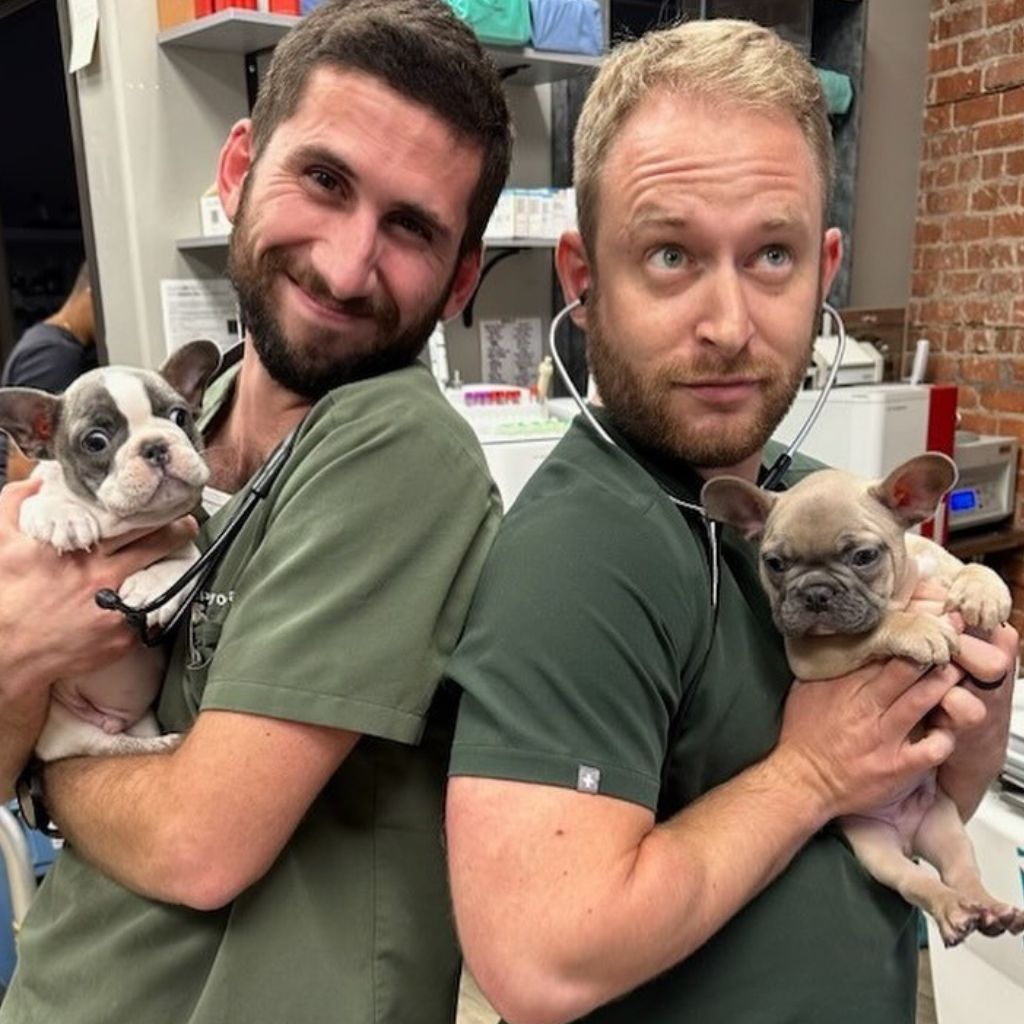
Don’t wait any longer to forge a lifelong relationship with your friendly veterinarian.
DNA bird sexing is currently the most accurate method available, achieving a level of 99.99% accuracy when performed by reputable laboratories. This technique analyzes sex chromosomes in a blood sample or feather follicle to determine the gender definitively. Unlike physical examination methods that work only for certain species, DNA sexing is effective for virtually all bird species. The process is minimally invasive, requiring only drops of blood obtained via toenail clip. Our clinic uses trusted laboratories with extensive experience to ensure reliable results for your bird.
DNA sexing involves collecting a small blood sample from your bird, which is then sent to a specialized laboratory for genetic analysis. Technicians use polymerase chain reaction technology to identify sex chromosomes specific to male or female birds. The DNA analysis examines genetic markers that appear differently on an agarose gel—males show two bands while females display only one band. This scientifically verified method eliminates the potential for human error associated with visual assessment methods. Results typically include a written certificate of verification confirming your bird’s gender.
The majority of bird species are sexually monomorphic, meaning males and females look phenotypically externally identical. Unlike mammals with obvious external differences, birds have their reproductive organs—gonads including ovaries or testicles—located internally in the body cavity. These normal gonads are quite small and positioned near the kidneys along the backbone, making them impossible to see without specialized techniques. This is why species of birds need either DNA analysis to determine sexual gender or surgical visualization through laparoscopy for accurate sexing.
Yes, laparoscopy is generally safe when performed by an experienced avian veterinarian, though it does require anesthetizing the bird. The procedure involves making a small incision to allow direct examination of the gonads using specialized equipment. While this method provides immediate results and allows assessment of reproductive health, it carries the inherent risks associated with anesthesia and surgery. For most birds, we recommend DNA sexing as a safer alternative, reserving laparoscopy for cases requiring immediate results or when evaluating other health concerns. Our clinic carefully evaluates each bird to ensure any surgical procedure is appropriate and safe.
Most bird species owned as pets require professional sexing because they look phenotypically externally identical. This includes popular psittacine birds like African Greys, Amazon parrots, cockatoos, and many conure species. Even species like budgies and cockatiels, which may show subtle differences in maturity, benefit from definitive DNA sexing for accurate identification. Our Sacramento clinic offers this service for all avian species, using either blood DNA sexing or laparoscopy depending on your needs. Contact us to discuss the best bird sexing solutions for your feathered companion.