
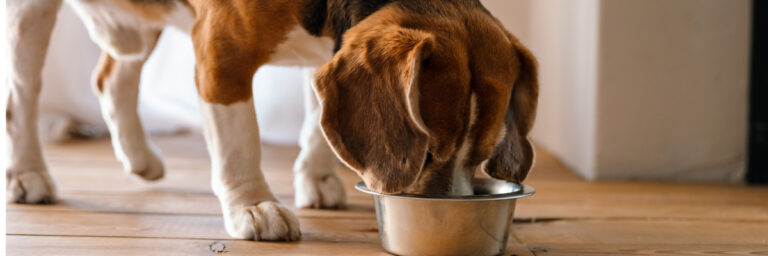
When your beloved companion struggles with excess weight, every day becomes harder for them—climbing stairs turns into a challenge, playtime grows shorter, and preventable health problems begin to surface. Pet obesity isn’t just about appearance; it’s a medical condition that robs pets of their vitality and can shorten their lives by years.
At Broadway Veterinary Hospital, we understand the emotional and practical challenges of helping your pet achieve a healthier weight. Our veterinary team, led by UC Davis graduates Dr. Sam Varon and Dr. Tyler Baum, combines compassionate care with evidence-based weight management strategies. We work alongside pet owners to develop personalized plans that address each animal’s unique needs, from nutritional counseling to exercise recommendations that fit your family’s lifestyle.
Understanding the Pet Obesity Crisis
The numbers paint a concerning picture of pet health in America. Research from the National Institutes of Health reveals that 65 percent of adult dogs assessed at UK pet shows were overweight, with nine percent classified as obese. Even more alarming, 37 percent of juvenile dogs were found to be overweight, demonstrating that weight problems often begin early in life. This widespread issue affects quality of life, increases disease risk, and can reduce a dog’s lifespan by up to 2.5 years compared to their leaner counterparts.
Many pet owners don’t realize their companions are carrying excess weight. Studies show that approximately one-third of owners with overweight or obese pets classify their animals as having a normal body condition. This perception gap makes veterinary guidance essential, as recognizing the problem is the first step toward addressing it.
The Health Consequences of Excess Weight
Excess body fat isn’t simply stored energy—it’s biologically active tissue that releases inflammatory hormones and disrupts normal metabolic function. Overweight pets face increased risks for orthopedic conditions, diabetes mellitus, heart disease, and certain cancers. Their joints bear additional stress with every movement, often leading to painful arthritis that limits mobility and diminishes their enjoyment of daily activities. Dr. Varon’s expertise in TPLO surgeries and fracture repair means we often see firsthand how excess weight compounds orthopedic problems in our patients.
Beyond physical health, obesity affects emotional well-being. Pets at healthy weights demonstrate better quality of life, showing more enthusiasm for play, improved social interactions, and greater overall happiness once they’ve successfully lost weight.
Creating a Sustainable Weight Loss Strategy
Effective weight management requires patience, consistency, and a well-designed plan. Rapid weight loss can be dangerous, potentially causing life-threatening complications, so successful programs involve gradual reduction over several months. The goal isn’t just reaching a target weight—it’s establishing sustainable habits that maintain health for life.
Professional Nutritional Assessment
The foundation of any weight loss plan begins with accurate assessment. Our team performs body condition scoring, which evaluates fat distribution and muscle mass to determine your pet’s ideal weight range. We calculate precise daily caloric needs based on your pet’s current weight, activity level, age, and any underlying health conditions. This individualized approach ensures your pet receives adequate nutrition while creating the caloric deficit necessary for safe weight loss.
We help you understand proper portion sizes for your pet’s specific dietary needs and recommend appropriate foods. Some pets benefit from prescription weight management diets formulated to provide satisfaction while reducing calories. Others do well with carefully measured amounts of their current food. Our veterinarians guide you through the options, explaining the benefits and considerations of each approach.
Exercise and Activity Modifications
Physical activity plays a crucial role in weight management, though exercise requirements vary significantly between species. Dogs benefit from regular walks, swimming sessions, or active play that gets them moving without overtaxing joints that may already be compromised by excess weight. Start gradually—even a five-minute walk provides more benefit than no activity, and you can slowly increase duration as your dog’s fitness improves.
Cats require different strategies. Interactive play sessions with toys that stimulate their hunting instincts encourage movement while keeping them mentally engaged. Food puzzles make mealtimes more active, requiring cats to work for their meals rather than simply eating from a bowl. Small, frequent play sessions throughout the day often work better than one long session.
The Role of Treats and Table Scraps
Many pet owners express love through food, but this well-intentioned behavior contributes significantly to weight problems. Treats and table scraps add substantial calories that many people don’t consider when calculating their pet’s daily intake. Even small amounts of human food can provide a significant percentage of a small pet’s caloric needs.
If you enjoy giving treats, factor them into the daily calorie budget. Choose low-calorie options like carrot sticks or green beans for dogs, and limit treats to no more than 10 percent of daily calories. For training purposes, use tiny portions or break larger treats into multiple pieces. Consider using praise, playtime, or affection as rewards instead of food—these strengthen your bond without adding calories.
Monitoring Progress and Adjusting Your Approach
Weight loss requires regular monitoring to ensure your pet is losing weight at a safe, steady pace. We typically recommend monthly weigh-ins during the active weight loss phase, allowing us to track progress and make adjustments as needed. Some pets lose weight more slowly than expected, requiring further caloric reduction or increased activity. Others may lose weight too quickly, necessitating a slight increase in food intake.
Body condition scoring provides additional insight beyond numbers on a scale. As your pet loses weight, you should gradually feel ribs more easily, notice a visible waist when viewed from above, and see an abdominal tuck when viewed from the side. These physical changes confirm that weight loss is coming from fat stores rather than muscle mass, which is essential for maintaining strength and health.
Addressing Weight-Related Health Conditions
For pets already experiencing obesity-related health problems, weight loss becomes even more critical. Senior pets with arthritis often show remarkable improvement in mobility and comfort as excess pounds come off, reducing stress on painful joints. Diabetic pets may require less insulin as their metabolism improves with weight loss. However, these patients need careful veterinary supervision throughout the weight loss process, as their medications may need adjustment as their condition improves.
Some medical conditions require special consideration during weight loss. Pets with kidney disease, heart problems, or cancer may need modified approaches that prioritize overall health rather than aggressive weight reduction. Our veterinary team evaluates each patient’s complete health picture to develop safe, appropriate recommendations.
Long-Term Weight Maintenance and Prevention
Reaching your pet’s goal weight is an achievement worth celebrating, but maintaining that weight requires ongoing commitment. Many pets regain weight after successful loss if their owners return to previous feeding and activity patterns. Continued portion control, regular exercise, and periodic weight checks help prevent backsliding.
Prevention remains the ideal approach, particularly for young animals. Establishing healthy habits during puppyhood or kittenhood creates a foundation for lifelong health. Monitoring weight and body condition throughout growth, rather than waiting until obesity develops, allows for early intervention when problems first emerge.
Partner With Broadway Veterinary Hospital for Your Pet’s Health Journey
Managing pet obesity requires dedication, but you don’t have to navigate this journey alone. Our family-owned practice brings together expertise, compassion, and personalized attention to help your pet achieve and maintain a healthy weight. With our advanced surgical capabilities and comprehensive wellness services, we’re equipped to address weight-related health concerns at every stage.
Ready to help your pet feel their best? Contact our office to schedule a weight assessment and nutritional consultation. Together, we’ll create a customized plan that sets your companion on the path to a longer, healthier, happier life.