
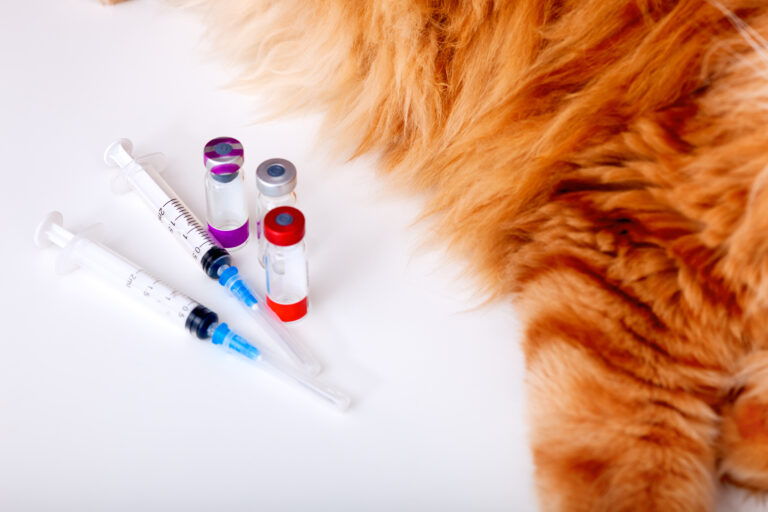
Your cat’s immune system is like armor that protects them from invisible threats. While those adorable whiskers and paws make it easy to forget, cats face real health risks from viruses that lurk in the environment, waiting for an opportunity to strike. Fortunately, wellness and vaccination services on schedule give your feline friend the protection they need to stay healthy and thrive.
At Broadway Veterinary Hospital, our team of UC Davis-trained veterinarians takes a personalized approach to feline care. We help Sacramento cat owners navigate vaccination schedules tailored to each cat’s unique lifestyle, health status, and risk factors, so you feel confident in every decision you make for their well-being.
Core Vaccinations for Every Cat
Core vaccines are essential for all cats, regardless of lifestyle. These protect against diseases so dangerous or widespread that we recommend them for every feline patient.
FVRCP: The Essential Combo Vaccine
The FVRCP vaccine, often called the “distemper combo,” guards against feline viral rhinotracheitis, calicivirus, and panleukopenia. Think of it as your cat’s all-in-one protection plan against three nasty viruses. Kittens receive their first dose as early as six to eight weeks old, with boosters every three to four weeks until they reach 16 weeks. After the initial series, adult cats need boosters either annually or every three years, depending on the specific vaccine formulation and your cat’s risk factors.
Rabies: Legally Required Protection
Rabies vaccination is not just recommended, it’s required by law in most areas. This deadly virus affects the nervous system and can spread to humans, so counties mandate it. Kitten wellness visits typically include the first rabies vaccine at 12 to 16 weeks old. Adult cats need boosters either annually or every three years based on local regulations and vaccine type.
Non-Core Vaccinations Based on Lifestyle
Non-core vaccines may be necessary depending on your cat’s environment, health status, and exposure risks. We help you decide which ones make sense for your specific situation.
Feline Leukemia Virus (FeLV)
The FeLV vaccine matters most for cats who go outside or live with FeLV-positive cats. This virus suppresses the immune system and can lead to cancer or other serious conditions. We recommend testing kittens for FeLV before vaccinating, then giving two initial doses three to four weeks apart. After that, annual boosters help maintain protection for at-risk cats.
Additional Vaccines for Multi-Cat Environments
We may recommend Bordetella and chlamydia vaccines for cats in high-density environments, such as shelters, boarding facilities, or multi-cat households. These bacterial infections cause respiratory issues, though they’re typically less severe than viral diseases.
Timing Your Cat’s Vaccines
Adult pet wellness exams include discussions about which boosters are due and when. Most cats follow a predictable schedule. Kittens need their first FVRCP vaccine at six to eight weeks, with additional doses every three to four weeks until 16 weeks old. The first rabies vaccine typically comes at 12 to 14 weeks.
Once your cat completes their kitten series, they need a one-year booster for both FVRCP and rabies. After that, many cats qualify for the three-year vaccination protocol. This means their FVRCP and rabies vaccines may only need updates every three years instead of annually. However, some cats benefit from more frequent boosters based on their health, lifestyle, or local disease prevalence.
Indoor vs. Outdoor Considerations
Indoor-only cats face lower disease risks than outdoor cats, but they still need protection. Rabies vaccination is legally required regardless of lifestyle, and the FVRCP vaccine guards against viruses that can enter your home on your shoes or clothing. Even the most dedicated indoor cat occasionally darts out an open door.
Outdoor cats need additional protection because they encounter more disease carriers. Fights with other cats, exposure to wildlife, and contact with unvaccinated strays all increase the risk of infection. We often recommend the FeLV vaccine for cats with outdoor access, even if it’s just supervised backyard time. Cats who visit boarding facilities or groomers may need proof of certain vaccinations beyond the core requirements.
What to Expect After Vaccination
Most cats handle vaccines without any issues. Some experience mild, temporary side effects, such as sleepiness, reduced appetite, or a mild fever, for 24 to 48 hours. A small, firm bump may appear at the injection site and typically resolves within a few weeks. Serious reactions are rare but can include vomiting, diarrhea, facial swelling, or difficulty breathing. If you notice these signs, contact us immediately.
Preventive care should feel manageable, not overwhelming. Bringing your cat in a secure carrier with a familiar blanket helps them feel safer during visits. Regular wellness visits help your cat become more comfortable with our team and facility.
Schedule Your Cat’s Vaccination Visit at Broadway Veterinary Hospital
Every cat’s needs are unique. Age, health status, lifestyle, and local disease risks all influence which vaccines make sense and how often boosters are needed. Our experienced veterinary team, including Dr. Sam Varon and Dr. Tyler Baum, both UC Davis graduates with expertise in companion animal care, is here to answer your questions and create a vaccination plan tailored to your cat’s specific situation.
We’re proud to serve the Sacramento community with advanced medical care and a personalized approach to keeping your feline companion healthy. Contact us to schedule your cat’s next wellness visit or to discuss their vaccination needs.